Winterizing and spring commissioning
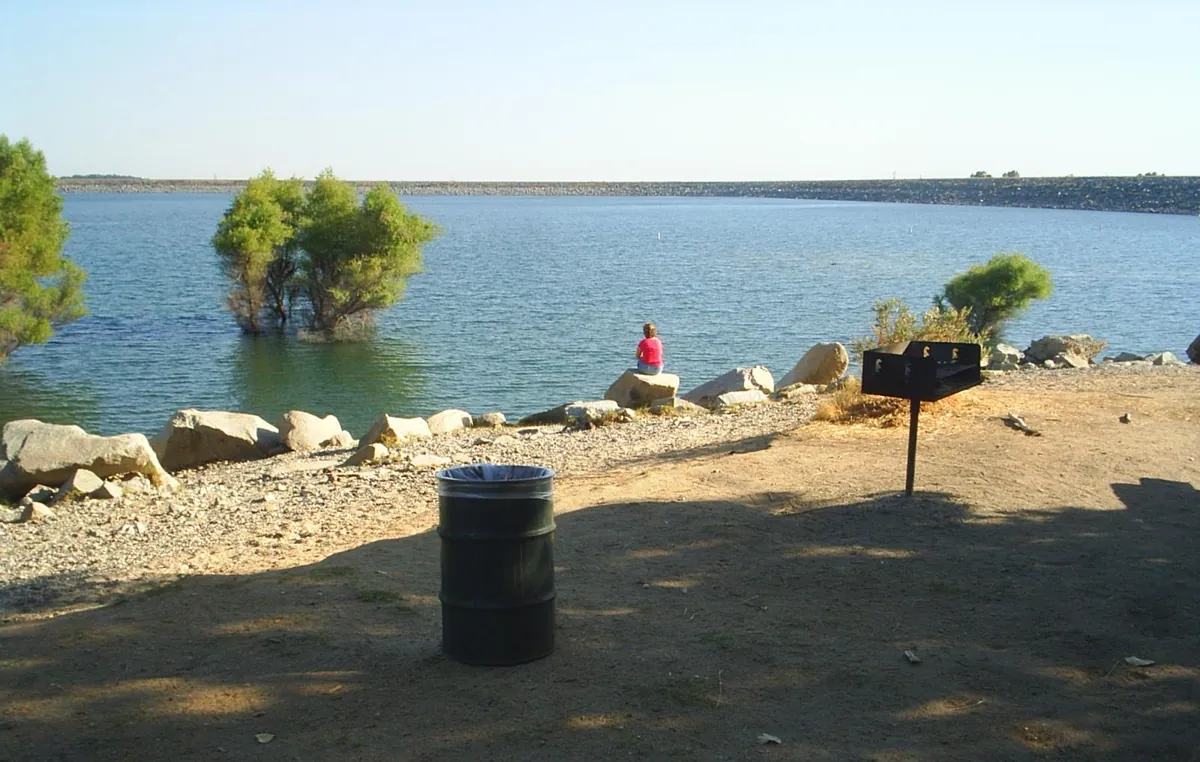
Boat winterization on Folsom Lake
Winterizing a boat is cheap insurance against two very different threats: a hard freeze that cracks the block, and a long off-season of sitting that gums up the fuel and kills the battery. In NorCal the second one does more damage than the first, but the first still happens. The mechanic we refer winterizes and later commissions the boat where it sits, at your slip, in storage, or the driveway, so it comes out of the off-season ready to run instead of ready for a repair bill.
What winterizing actually does
Winterization is a short list of jobs that each head off a specific kind of damage. Done together in fall, they cost a service call and an hour or two plus fluids. Skipped, any one of them can turn into a spring repair that costs many times more.
Drain the water and protect the block
The threat everyone knows is freezing. Any lake water left in the engine block, the manifolds, or the cooling passages can freeze, expand, and crack cast iron, and a cracked block is one of the most expensive words in boating. Winterizing drains the raw water out of the cooling system and, where appropriate, runs antifreeze through the block so anything left behind will not freeze solid. This is the step that matters most on the coldest nights.
Fog the engine
Fogging sprays a protective oil into the cylinders and intake so the internal metal does not corrode while the engine sits idle for months. An engine that never runs still rusts inside from humidity, and fogging is the cheap barrier against it.
Putting the boat away for the season? Describe it on the phone and get it done before the first cold snap.
Stabilize the fuel
This is the step that matters most in our climate, and it is the one owners skip. Ethanol-blended gas goes stale over an off-season. It draws moisture, separates, and leaves varnish that gums up carburetors and fouls injectors. Adding fuel stabilizer and running it through the system before the boat sits is what keeps the fuel usable in spring. Skip it and you have bought yourself a no-start in April, which is the single most common spring call there is. The won't-start page is mostly a list of what happens when this step gets missed.
Deal with the battery
Marine batteries self-discharge in storage and can sulfate and die if left flat for months. Winterizing includes getting the battery off a slow drain, onto a maintainer, or out and stored charged, so it is alive when you come back rather than the first thing that has to be replaced. The outboard service page covers the fuel and battery side in more depth for outboards specifically.
The NorCal reality: the enemy is sitting, not snow
Folsom is not snow country, and it is fair to wonder whether a boat here needs winterizing at all. The honest answer is that the risk is different, not absent. Hard freezes are less frequent than in the mountains, but Sacramento-area winters do drop below freezing on cold snaps, and it only takes one hard night on an undrained block to crack it. Betting a cast-iron engine on a mild winter is a bad wager when draining it costs so little.
The bigger and more certain enemy here is simply a boat that sits. Our season runs spring through fall, and a lot of boats sit unused for months on end. That idle time is what stales the fuel, corrodes the internals, and kills the battery, and it happens every year regardless of temperature. So even a boat that never sees a freeze benefits from the fuel, fogging, and battery steps. Winterizing in Folsom is less about surviving snow and more about surviving neglect, and that is a threat every stored boat faces.
Spring commissioning: waking it back up
The other half of the job is de-winterization, or spring commissioning, which is getting the boat lake-ready when the season turns. That means reversing the winter steps and checking everything before the first launch: reconnect and test the battery, replace the fuel and confirm the fuel system is clean, check the raw-water impeller and cooling, run the engine, and look over the drive, belts, and hoses. A boat that was winterized properly commissions quickly. A boat that was just parked in fall is where the spring no-start calls come from. Doing both ends of the season with the same mechanic means the boat is put away right and woken up right, and you spend opening weekend on the water instead of at a repair.
Spring is also the smart time for the annual service, since the engine is being gone over anyway and the summer shop queue has not formed yet. Rolling the tune-up into commissioning is covered on the engine repair page.
What it costs
Winterizing is priced as a service call plus one to two hours of labor plus the antifreeze and oil, and spring commissioning runs about the same. It is one of the cheapest things you will do to the boat all year and it prevents some of the most expensive. The full picture, and where these fit against the other jobs, is on the boat repair cost page. There is no honest flat number for a repair that winterizing prevents, which is rather the point: the cracked block or the varnished fuel system you avoid costs far more than the service that avoids it.
What this covers, and what it does not
The mechanics we refer handle the mechanical side of laying up and recommissioning a boat: cooling, fuel, fogging, the battery, the drive, and the seasonal engine service. They do not do hull and fiberglass work, gelcoat, bottom paint, shrink-wrapping and cover fabrication, trailer repair, or haul-out storage, which are a boatyard's or a storage yard's services. If your off-season needs cross into those, you will hear that on the phone rather than pay for a trip.
Winterizing questions
Do I really need to winterize a boat in Folsom?
Yes, though for slightly different reasons than in snow country. Cold snaps here do dip below freezing, and one hard night on an undrained block can crack it, so draining the cooling system is cheap protection against a rare but ruinous event. More importantly, the fuel, fogging, and battery steps protect against the certain damage of a boat that sits unused for months, which happens here every winter regardless of temperature.
What is the single most important winterizing step here?
Stabilizing the fuel. Ethanol gas goes stale over the off-season and gums up carbs and injectors, and that is the top cause of spring no-starts on Folsom Lake. Draining the block matters most on a freezing night, but fuel trouble is nearly guaranteed on any boat that sits without stabilizer. Both get done together, so you are covered either way.
What is the difference between winterizing and spring commissioning?
Winterizing lays the boat up for the off-season: drain, fog, stabilize the fuel, and handle the battery. Spring commissioning, or de-winterization, wakes it back up: fresh fuel, battery back in, cooling and impeller checked, engine run, and the boat gone over before the first launch. Using the same mechanic for both means it is put away right and started right.
Can winterizing be done at my storage lot or driveway?
Yes. Winterizing and commissioning are both done where the boat sits, whether that is a storage lot, your slip, or the driveway. Tell the contractor where the boat is and whether it is in the water or on the trailer when you call, so the visit is planned right and the correct fluids come along.
I skipped winterizing and now it won't start in spring. What now?
That is the most common spring call, and it is usually fixable and usually not the engine. Stale fuel and a dead battery are the typical culprits, and both are modest fixes done at the boat. Get it diagnosed rather than assuming the worst. The won't-start page walks through the checklist in the order a mechanic works it.
Get connected with a local mobile marine mechanic for winterizing or spring service.